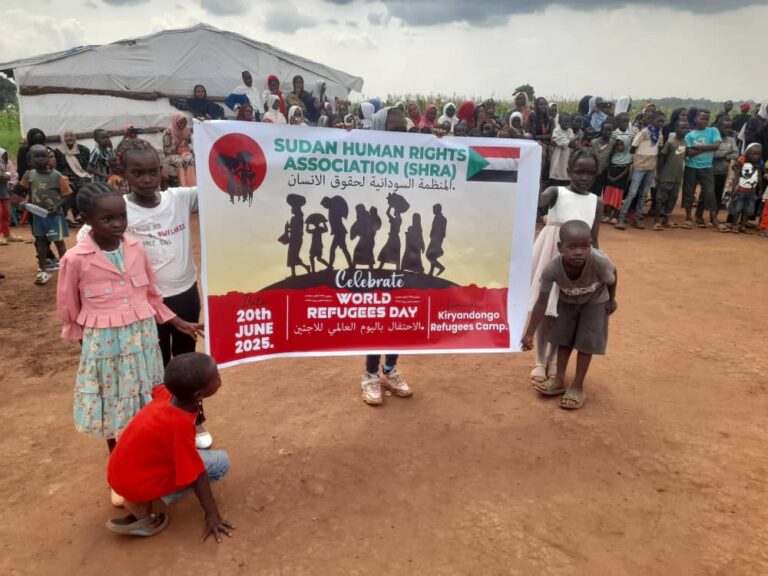

When you walk through Cluster C in Kiryandongo Refugee Camp, you’re struck not just by the stories of survival, but by the layered, complex needs of its people—most of whom fled conflict in Sudan, leaving behind homes, dreams, and a sense of safety. Their needs are real, immediate, and often overwhelming. Yet, too often, humanitarian responses follow a one-size-fits-all approach that doesn’t reflect these lived realities.
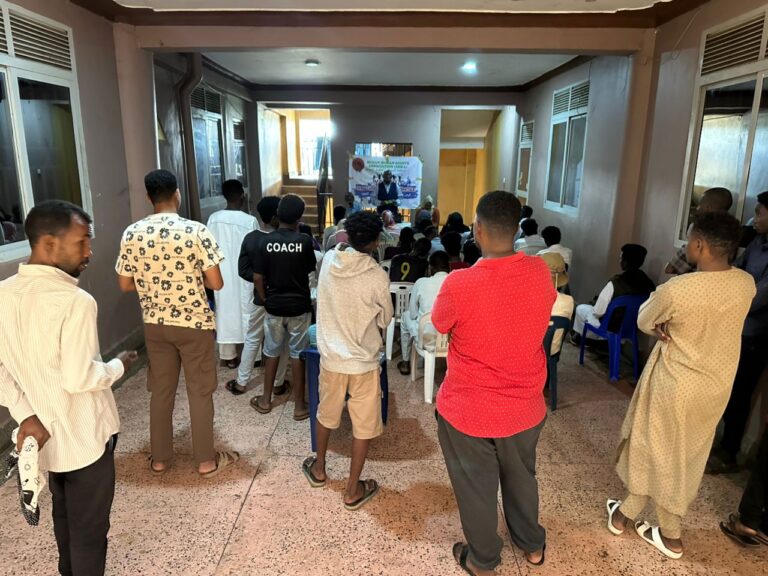
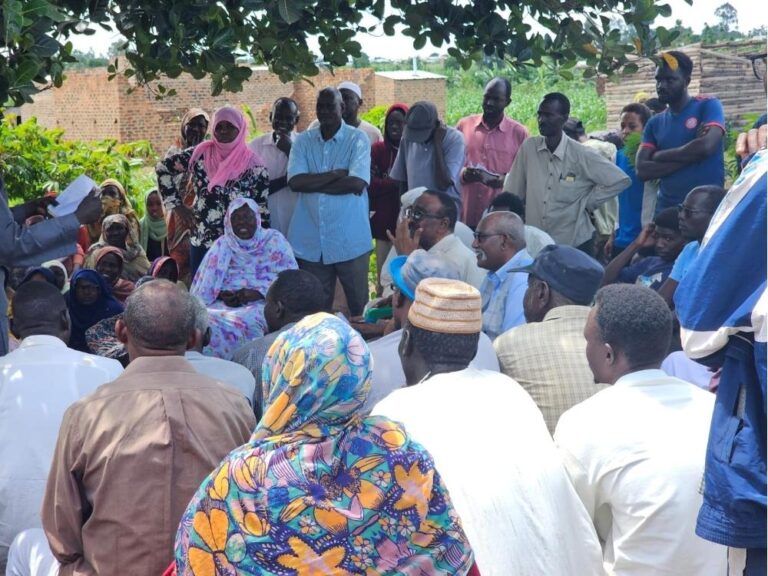
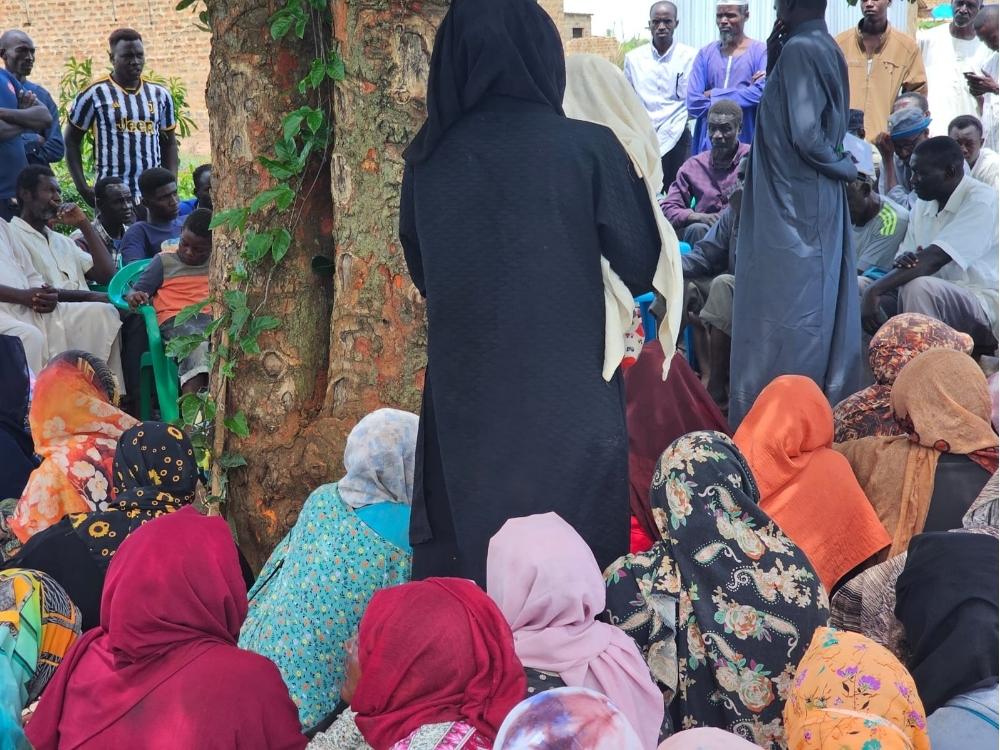
During Sudan Human Rights Association (SHRA)’s recent community dialogue with over 200 residents of Cluster C, voices rose—not in anger, but in earnest appeal. Refugees spoke of the pressing challenges they face every day: insecurity in their surroundings, a lack of accessible healthcare, school fees that are out of reach, and insufficient psychosocial support for those traumatized by war. Each concern echoed a deeper truth: no single solution can serve the diverse and urgent needs of a refugee community.
Humanitarian support must become more responsive, flexible, and human-centered. When basic services don’t align with the real needs of people—when children are forced to drop out of school, when sick mothers walk hours for medicine, when violence goes unaddressed—the promise of protection feels hollow.
SHRA has taken a step toward bridging this gap by engaging directly with refugees to listen, document, and act. From initiating advocacy for improved healthcare services, to recommending comprehensive needs assessments that include women, children, and people with disabilities, SHRA is pushing for change that is both informed and inclusive. Refugees must not be treated as passive recipients of aid, but as active voices in the decisions that shape their futures.
We believe that a meaningful humanitarian response starts with dignity—and dignity begins with listening. It’s about more than handouts; it’s about tailored solutions, faster response times, and giving every refugee a seat at the table.
For those of us supporting from afar, this is our moment to rethink how we give. To ensure that our compassion doesn’t stop at donation, but extends to advocacy, partnership, and holding systems accountable to serve people—not programs.
In one camp, there are many needs. But with collective action rooted in empathy and strategy, there can also be many solutions.